







Terenze Colemanis a future forwardgrowth architect

Musicow · first U.S. hire$20K → $2.25M program

Seven years in and I've worked most sides of this business. I came up on the agency side, trading programmatic at Media Storm and running thirty-plus concurrent campaigns at RPA, then went client-side at Sony Pictures, where the deadline is opening weekend and it does not move. Spider-Man: No Way Home, Venom: Let There Be Carnage, Demon Slayer: Mugen Train, across an eight-title slate. Then I crossed to the platform side. At TikTok my book ran from Netflix and Disney to Spotify, Pandora and SiriusXM, and I stopped buying ad products and started building them.

Musicow is where those two halves stopped being separate jobs. It's a marketplace where people buy shares of music royalties, so a song's performance feeds what the asset is worth, which changes what a number has to survive before you say it out loud. I came in as the first U.S. hire with a $20,000 program budget and no function to inherit, and I build the measurement now as well as the marketing.

658.1M
Total attention, paid + owned + earned
72.6M
Owned video views across 85 works
354.0M
Creator views across 158,531 videos
15,374,995
Luminate-reported streams, three singles

27 of 28 metrics beat their external benchmark. Clicks at $0.05 against $0.70. Creator engagement at 12.0% against a 2 to 6% band. Funded users at $458 against a category CAC near $1,450.

See all 28 →
01What I do

Expertise

Acquisition is the foundation and still where I do the most thinking. Six paid channels, programmatic, creative testing, and enough funnel math to know which one deserves more money next week. I invented a cross-artist funnel that buys reach at a $0.54 CPM under one artist and converts it under another at $11.42, and priced the program against a seven-stage cost ladder running from a $0.0015 impression to a $24 purchase, so I can point at the step where the money stops being cheap. I've run that from $20,000 to $2.25M. The discipline doesn't change with the zero count.

Launches are the other half: positioning, sales enablement, and the unglamorous work of moving a product from alpha to general availability with a sales org equipped to sell it. The Showtimes Instant Page is the one worth telling because I conceived it, but thirteen ad products went out under me and they are all listed further down this page.

Then the measurement, and I build that instead of filing a request for it. Six systems, each on a different architecture because each answers a different question: the Ad Spend Tracker reconciles six ad platforms against finance, Musicow Ads optimizes spend daily and has no codebase at all, the Campaign Impact Reporting System is a 15-tab model built from 128 source files. Choosing six shapes instead of defaulting to the one I already knew how to build is the decision I'd defend in a room.

02How I operate

Leadership

Wrote the U.S. go-to-market blueprint as Musicow's first U.S. hire, covering brand and performance pillars, phased budgets, KPI ladders, and channel mix. Product, BD, and Finance adopted it as the reference plan

Conceived, named, and built FANDOM, from an idea to a working release brand: three singles and six major artists in six months, across the U.S. and Korea

I own the budget rather than spend it. Took the program from $20,000 to a $2.25M annual plan and allocate it across partners against my own goals rather than approving an agency's, with mid-flight kills in the same seat

Conceived the Showtimes Instant Page at TikTok and carried it from alpha to general availability across two seats, at $19M in its first half and full adoption across every theatrical client we covered

Built the measurement because I couldn't get a number I'd stand behind. I wouldn't put unverified figures in front of executives, so I specced and shipped the performance product Musicow runs on. It matches the licensing portal to the exact stream across all three singles

Wrote the Showtimes Ads State of State, the vertical's account strategy for theatrical performance media. Adoption didn't move because the product got explained. It moved because the document named what had to be true before a studio would release budget, and then I made those things true

Found $20M+ of revenue sitting at risk in feature gaps and won the reprioritization that closed them before launch, then closed Netflix on the Story Selection alpha for a $500K upsell by pitching the product myself

Presented title performance straight to the Sony VPs accountable for it, owning the read across four product verticals on budgets past $1M each

03Career

Experience

Context
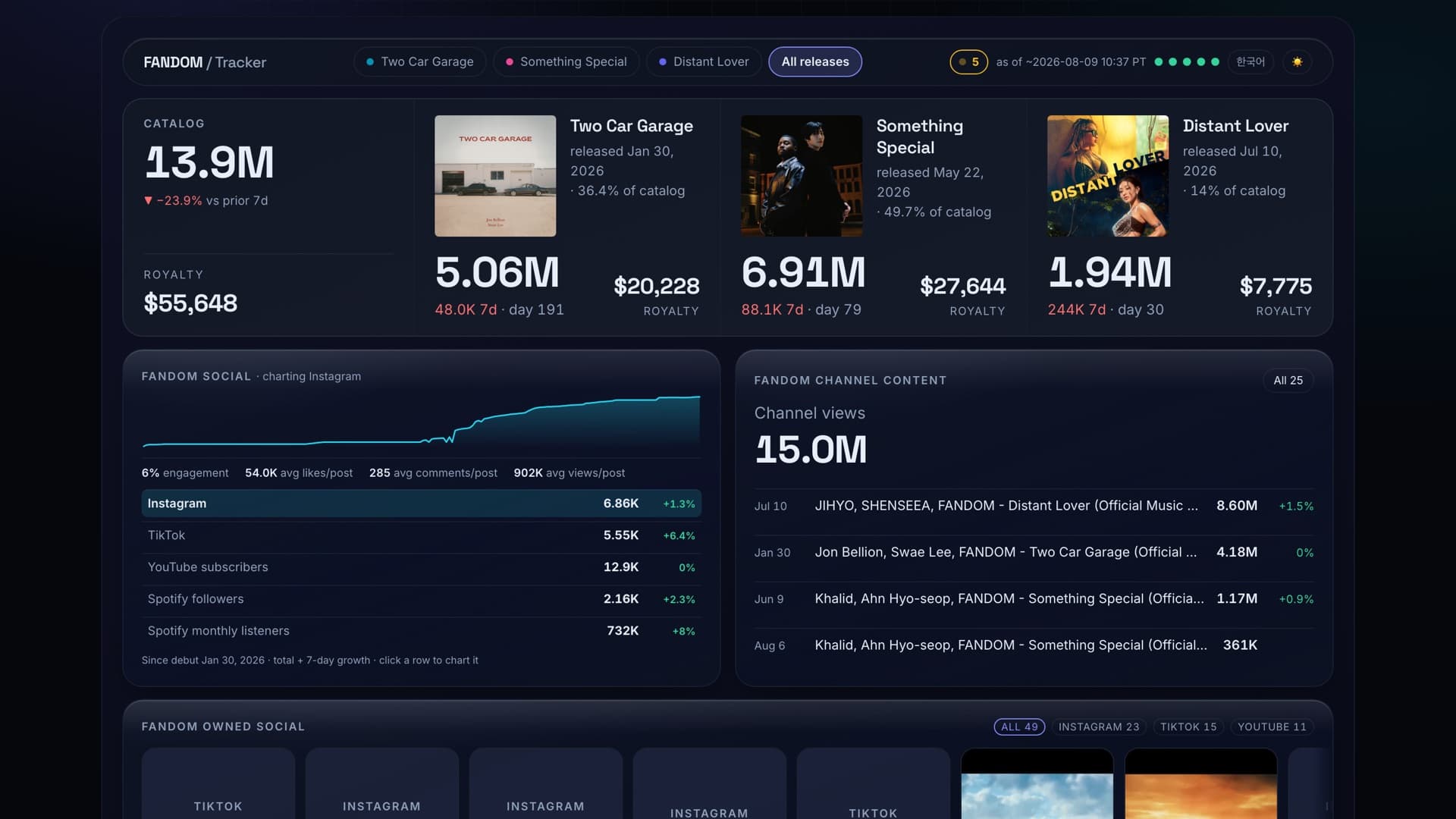
Music-royalty investing marketplace. FANDOM is its artist-collaboration release brand, so release performance is a leading indicator of catalog and royalty value rather than a campaign number.
Catalog
Two Car Garage with Jon Bellion and Swae Lee. Something Special with Khalid and Ahn Hyo-seop. Distant Lover with Jihyo of TWICE and Shenseea.

Scope & ownership

  • Joined as Musicow's first U.S. hire and established the U.S. marketing function, now owning paid acquisition, product marketing, creative direction, distribution, and commercial operations for the U.S. with weekly reporting to Roc Nation and Korea leadership.

  • Conceived, named, and built FANDOM from an idea into a working release brand, three singles in six months convening Jon Bellion, Swae Lee, Khalid, Ahn Hyo-seop, Jihyo of TWICE, and Shenseea.

  • Grew it from an empty profile past 500K Spotify monthly listeners on February 15, 2026 to a peak of 952,788 between May 22 and June 18, and from unranked to a top 5,000 worldwide artist rank on Chartmetric between February and July 2026.

  • Bridge Korea headquarters across two languages, holding the relationships across JYP, Roc Nation and Roc Nation Distro, Kakao, PR, production, and web, and handling friction including credit corrections.

Budget authority

  • Grew the U.S. program budget from $20,000 at hire to a $2.25M forward-committed annual plan, with $712.6K deployed to date across paid media, promotion, out-of-home and events, content, and physical product.

  • Allocate that budget across third-party partners against my own goals rather than approving an agency's plan, on a no-contract vendor model I have had to defend to finance.

  • Kill and reallocate underperforming channels mid-flight, carrying multi-hundred-thousand-dollar remaining balances across two live campaigns and reporting them to finance on request.

Media planning

  • Author full paid plans at the plan level, including roughly $105K on a single release split 55/30/15 across three phases, with week-by-week pacing front-loaded to week one and stepping down through week five.

  • Define top markets by city and country, and the audience as a core demographic plus named fan-crossover segments.

  • Carry a week-over-week spend tracker methodology as a repeatable standard, including rolling underspend forward.

  • Shift paid objectives by phase across engagement, shares, and views as a rollout matures rather than running one objective end to end.

Paid acquisition

  • Invented a cross-artist acquisition mechanic that buys audience under an artist nobody is bidding against, returning 35.0M impressions at a $0.54 CPM on $19.1K, then retargets that audience into Musicow install campaigns instead of paying conversion-rate CPMs for cold reach.

  • Deployed $365,947 in measured media across 235 campaigns on Google, TikTok, Meta, Snapchat, Reddit, and Spotify Marquee, returning 244.5M paid impressions at a $1.50 blended CPM, roughly 85% below the category median.

  • Landed video views at $0.0041 against a $0.02 to $0.03 category median, with link CTR at 4.0% on Meta and 3.7% on TikTok against category averages near 0.9%, and link clicks at $0.057 and $0.049 against medians of $0.70 and $0.50.

  • Built the cost ladder the whole program is priced against, seven stages from a $0.0015 impression through a $0.90 converted listener to a $24 D2C purchase, with the step multiplier at each stage, which shows exactly where the money stops being cheap.

  • Converted 2,632 app installs at a $2.99 blended CPI on the Musicow-branded campaigns, which carry 1.5M impressions of their own, against a $10+ fintech norm.

  • Instrumented the full funnel from install through registration, KYC, bank linking, deposit, and purchase, diagnosing bank linking at 15.2% as the bottleneck worth fixing while registration already converted at 50.4%.

Experimentation

  • Run hypothesis-driven geo tests, including a small Brazil and Nigeria buy selected off unusually high CTR specifically to test whether click strength converts to streams. CTR is a signal to test, not a result to report.

  • Reach out to organic creators directly for Spark codes, converting strong organic posts into paid placements.

Earned & creator

  • Created the UGC sound strategy and creator briefs behind 354.0M creator views across 158,531 videos, timing concentrated drop-day bursts so volume lands as a visible wave rather than diffuse posting. One single carries 312.6M of that on a platform-level sound trend, which is stated rather than averaged away.

  • Ran four creator agencies against an $87,000 budget and 544 posts, returning 20.5M seeded views at 12.0% blended engagement and $0.0042 per seeded view, against a 2 to 6% micro-tier engagement benchmark. The program closed on September 11 with every flight at or above its committed count.

  • Peaked with a single agency campaign of 231 posts returning 10.25M views at 16.0% engagement and $0.0020 per view.

  • Scoped an edits-only campaign for Asian markets with defined creator tiers and seeded counts, and created an unofficial sound ahead of release so edits could start building before the official audio existed.

  • Set explicit quality floors on creator output, requiring real-person creations that fit the song's concept rather than memes and faceless pages, and caught a vendor submitting four videos from one creator.

  • Demand forward volume commitments when pace lags rather than waiting for an end-of-campaign shortfall.

Rollout architecture

  • Originate the campaign concept and sequence the entire rollout rather than executing someone else's plan, building back-timed week-by-week calendars spanning pre-release through post-release with dependency and critical-path logic where talent locks and asset approvals gate downstream phases.

  • Choose the phase model itself, including culture-first sequencing where a trend leads and the artists reveal late, so the song lands as the anthem of a moment already in motion.

  • Rework the full plan when a release date moves, recalculating what compresses and what extends, including splitting a campaign into two phases when a video slipped.

  • Hold a deliberate reactive posture on content timing rather than locking every post to a fixed calendar, so the plan can ride momentum.

Creative direction

  • Direct every piece of creative the brand puts out: album art, single covers, packaging, campaign branding, social-first edits, behind-the-scenes cuts, and the copy carrying all of it.

  • Built ownable campaign worlds rather than descriptions, including the #DistantLoverSummer hashtag system, the always-on Distant Lover Stories engine, and the Jihyo x Shenseea FaceTime hero concept.

  • Write the captions, out-now announcements, community posts, and email blasts, in an understated brand voice with a clean call-to-action close.

Creative production

  • Executive produced FANDOM music videos on $210K+ production budgets, all shot in the U.S., and steered the behind-the-scenes documentary series through narrative structure, scene reordering, and b-roll calls.

  • Ran music video post through full approval cycles including beauty edits and color grading, sourcing a specialist beauty editor when notes exceeded what the team could hit, and pushed back on a release date rather than ship a rushed grade.

  • Direct lyric video, Apple Motion, and DSP Canvas assets with specific cut notes, and handle thumbnails, credits, and delivery specs across director, producer, editor, and production company.

  • Negotiated documentary scope directly with the vendor on raw footage handling, run-and-gun audio, deliverables, and timeline against price before committing.

  • Shipped an official lyric video as a competitive response when fan-made versions gained traction and the single had just hit the Spotify daily chart.

Approval governance

  • Designed the approval process rather than working inside one. The vendor sends a cut, I lock it, then it goes to artist teams for approval on how they are portrayed, with presentation decisions staying on my side.

  • Bulk-preapprove press imagery in one pass so a release never needs repeated back-and-forth, and genuine exclusivity can still be granted to individual publications.

  • Maintain a single approved-asset source for the Korea team, and set posting rules across the partner network so fan accounts hold until owned properties post and cuts vary by channel rather than tripping duplicate detection.

PR & premieres

  • Negotiate premiere structures including a publication premiere with the article an hour ahead of release, first-look windows against press-release timing, and homepage takeover versus sidebar placement.

  • Research outlet reach and traffic before committing to a placement rather than taking a pitch at face value, and run parallel premiere partners.

  • Secured YouTube collaboration posts with artist channels, which is what puts a release into their subscriber feeds, and won an Instagram brand-account collaboration a publication had already refused other magazines by positioning FANDOM as its own artist entity rather than a fan account.

Distribution & commercial

  • Coordinated worldwide distribution through Roc Nation and the UMG pipeline with Korea handled domestically through Kakao, working the territorial-rights structure directly including the domestic-versus-global split standard in K-pop and the Republic pipeline that applies to anything touching Jihyo.

  • Route localized liner notes to the correct Korean platform accounts, with generic liners sequenced separately.

  • Delivered 15,374,995 Luminate-reported streams across the three lead singles, with 493 separate algorithmic and editorial pickups behind them and top-four playlist placements reaching a combined 20.9M followers including #10 on K-Pop ON! and #26 on New Music Friday.

  • Put a music video behind Something Special three months after its release, lifting streams 70.9% that week and taking the video past 12.2M views by September 16, which is catalog reactivation rather than a launch spike and matters more to a royalty marketplace than either.

  • Secured amplification partnerships carrying FANDOM into MTV Live and MTVU linear rotation.

  • Shipped physical product end to end across CD, box set, and apparel manufacturing, pre-orders, and international shipping, handling customs classification, HS codes, and certificate-of-origin treatment as a duty lever on the Korea side.

  • Coordinate exact go-live timing across EST, PST, and KST, managing smart links across music video, streaming, and shop, and keeping every partner aligned through the drop.

Owned audience & web

  • Hold an owned-audience position rather than a rented one, so direct communication survives any algorithm change. The web hub, Laylo capture, and registration flow exist to serve that thesis rather than to sell merchandise.

  • Conceived and directed fandomalbum.io, deciding the information architecture and which pages needed to exist at all, then trafficking logos, layered source files, and mockups to the web team and integrating the Shopify storefront so content and commerce sit in one journey.

  • Won FWA Site of the Day, CSS Design Awards, and an Awwwards Honorable Mention for that build, a Next.js and Three.js album experience technically led end to end, returning 50K+ pageviews and 400+ sign-ups.

  • Stood up two direct-to-consumer storefronts. The first ran merchandise operations end to end on the Travis Garland Western Feels rollout. The second is shop.fandomalbum.io, the Shopify storefront inside the Three.js experience, converting at 4.93% with the Distant Lover collectable gift box as top seller.

Six systems

  • Architected, specced, and shipped six production systems alongside the marketing, each on a different architecture because each answers a different question. The FANDOM Performance Tracker measures outcomes, the Ad Spend Tracker holds financial control, Musicow Ads runs daily optimization, the Campaign Impact Reporting System proves portfolio impact, the Paid Media Board carries the plan against delivery, and fandomalbum.io converts the audience into first-party contacts and sales.

  • Three of those split cleanly by time horizon: real-time daily optimization, monthly financial reconciliation, and campaign and catalog outcome tracking. Most marketing functions own the last one.

  • Matched four orchestration patterns to four problems. Spec-driven multi-session agent execution with a refutation review for the tracker, single-artifact generation with programmatic verification for the spend ledger, a scheduled autonomous agent loop with a decision rubric and self-healing sentinels for the ads system, and a generated parse-build-verify pipeline under a standing protocol for the impact model.

  • Chose six architectures rather than defaulting to the one already known. The tracker needed durable infrastructure because it is a system of record under licensing constraints. The ads loop needed none, so it has no repo, no deployment target, and no code to maintain.

The performance product

  • Defined, specced, and shipped the FANDOM Performance Tracker, the internal performance product Musicow runs on, serving A&R, marketing, executives reading catalog and royalty trajectory, and artist relations sharing a clean view with partners.

  • Set its North Star to worldwide licensed royalty-bearing consumption at song level, carried with modeled USD royalty value. That is a judgment about what Musicow's balance sheet runs on, not a dashboard preference.

  • Built it because I could not get a defensible stream number and would not report unverified figures to executives. The headline number now matches the licensing portal to the exact stream across all three singles.

  • Architected it so no credential can reach the browser, with secrets confined to CI and env vars and an acceptance test that greps the build to prove nothing leaked.

  • Specced a failed source to degrade to a flagged but still valid output rather than breaking the build, with multi-source merge, explicit precedence, per-field provenance, and a trailing refetch window because consumption figures arrive with lag and get restated.

  • Locked one consumption basis in writing, so a second vendor's figure can only ever appear as a labelled breakout and never as a competing headline.

  • Wrote accessibility into the requirements rather than treating it as a nicety: WCAG-AA contrast, color-blind-safe series, non-color status encodings, keyboard navigation, and an inverted axis on rank charts so up reads as better.

The build record

  • Shipped in five weeks: 63 merged PRs, 161 commits, roughly 18,000 lines of TypeScript, tests grown from 18 to 164 across 19 files, and seven live data vendors plus press feeds and product analytics integrated over pure HTTP with no browser automation in CI.

  • Carried the schema from 5.0 to 7.0 with backward parsing unbroken, every new field shipping optional and nullable so no historical payload ever bricks the board.

  • Replaced a weekly performance report assembled by hand from 21 separate surfaces, a full working day every week, with those seven programmatic sources at constant coverage. The binding constraint was interface access rather than data availability, so I bought the products that removed it.

  • Executed a full data-vendor migration mid-flight on a live production system in four phases, without the dashboard going dark or publishing a wrong headline number.

  • Verified four APIs from documented-but-unproven to pinned certainty under a capture-and-pin rule, where no parser output is trusted until it is tested against a recorded live response, solving auth in production and diagnosing empty responses as a missing identifier-type parameter rather than missing data.

  • Authored a never-fabricate rule and a formal degrade ladder after a lapsed vendor account published sample data as real at 13.4M streams against a true 6.9M. The response was an integrity system, not a hotfix.

  • Absorbed a second vendor failure on the same path six weeks later with a labelled interim figure and no intervention, which is the half of the story that proves the first fix worked. Fourteen documented incidents across the build, each converted into a written rule and in nearly every case a regression test.

  • Root-caused a three-day silent data freeze to an exact-hour cron gate that skipped neutrally every time the scheduler fired late, then rebuilt the data path rather than patching the symptom.

  • Decoupled data from code entirely, publishing to a private blob store at runtime and reading through a serverless route, so refreshes never touch git or trigger a redeploy.

  • Modeled per-stream payout with rates in config, keeping measured and modeled visually separate and badging every modeled number with its formula, then reverted a quarterly decay pace model back to linear when it did not hold up.

  • Built press and mention monitoring from published feeds rather than brittle scraping, backfilled to 63 relevant mentions, and shipped full English and Korean localization with no hardcoded strings.

AI orchestration

  • Ran roughly 33 distinct agent sessions across the five-week build from named agent workspaces, with several running in parallel and cross-merges between them.

  • Keep a doctrine file recording every dated decision and incident lesson, so later sessions inherit accumulated context instead of relearning it. Context loss across sessions is the actual hard problem in multi-session agent work.

  • Designed a 35-agent code review where five dimension reviewers each spawned verifiers tasked with refuting a finding before it counted, returning 28 confirmed defects across 407 tool calls in roughly 15 minutes. Run three times across the build, at 28, 18, and 12 findings.

  • Deliberately did not parallelize the build itself, because implementation was serially dependent on accumulated context. The judgment is knowing which work parallelizes and which does not, not the agent count.

  • Start every version as a written spec structured for agent execution with locked decisions, a new spec per version rather than scope drift.

Ad spend reconciliation

  • Built the Ad Spend Tracker, reconciling $195,907.73 delivered and $187,177.75 in cash across six platforms and seven months of FANDOM releases, with every dollar mapped to a release and nothing left unallocated.

  • Maintain delivery basis and cash basis in parallel with a documented bridge, because platforms report on delivery and cards get charged on billing thresholds, so the two never match inside a month. Delivery for performance and budget-versus-actual, cash for bank reconciliation.

  • Caught that platform receipts restate cumulatively within a billing window and cannot be summed, and that the folder held eight duplicate PDFs under different transaction IDs. That prevented a roughly $30.7K overstatement against a true $19.7K month, a 60% error.

  • Explained a $414.90 gap between a platform report and its billed activity as overdelivery and credits never billed, and structurally closed a recurring discrepancy of up to $53.72 a month.

  • Wrote the verification standard as policy before trusting a number: campaign rows sum to the account total, monthly slices sum to any cumulative report, statement balances chain month over month, and two sources covering the same thing agree to the penny before either gets used.

  • Named every estimate rather than presenting all figures as equally solid, flagging each inside the dashboard where it applies and identifying the one source not file-verified along with its $0.17 measured residual.

  • Routed anything the attribution rules could not match to an unallocated bucket rendered in red rather than letting it disappear, then drove it to zero.

Daily optimization loop

  • Built Musicow Ads as a standing daily loop that pulls campaign and ad-level data, computes a current and prior seven-day window with deltas, and returns a verdict per live campaign. It leads on anomalies rather than totals, so the output is triage.

  • Wrote the decision rubric that is the actual product. SCALE, HOLD, DECIDE, and KILL, each with numeric triggers set against account-relative benchmarks rather than absolutes, plus a budget-volatility trigger so a large day-over-day swing surfaces even when performance looks fine.

  • Attached numeric reasoning to every verdict so a recommendation can be argued with, and treat the rubric as versioned and tunable rather than fixed.

  • Validated a kill on a campaign that had spent $1,146 at $3.79 a click, flagged a roughly 96% budget cut made against a $0.027 CPC at scale, and identified scale candidates on evidence including one whose CPC moved from $0.080 to $0.026.

  • Track platform state rather than assuming it, so the verdicts stay trustworthy when a source is dead, blocked, or backfilling.

  • Built sentinels into the recurring job so the system announces its own state changes, one detecting when a stalled source starts flowing and folding it into every metric, another watching for the first attributed conversion.

  • Diagnosed a 0% conversion match rate as expected rather than broken, because DSP-driven campaigns land on streaming pages that cannot be instrumented, then parked streaming lift by design with the blocking constraint named rather than fudging a number.

  • Scrapped a previously scaffolded app in favor of two surfaces, a managed data plane and a chat-based analysis plane, abandoning sunk work when a simpler shape appeared.

Portfolio impact reporting

  • Built the Campaign Impact Reporting System, a 15-tab, roughly 1,000-formula impact model generated from 128 source files under a standing eight-step verification protocol, answering what the marketing actually did across four brands and six platforms with receipts. Nothing is hand-typed into the deliverable.

  • Ran every judgment call to the conservative number, so the workbook's totals read as a floor rather than a ceiling, including a YouTube organic figure computed as owned views minus paid TrueView.

  • Kept it alive past its own freeze. It began as a 10-tab frozen snapshot and now runs as a live workbook refreshed five times since, with nothing removed and every superseded figure kept visible in its own ledger.

  • Went back into source exports already shipped from and built five new analysis tabs out of columns nobody had opened, four of them deliberately unflattering, including the payback lens showing streaming recoups only 16% to 40% of the media behind it.

  • Published a correction to my own standing recommendation inside that report, retiring the next step every prior version had called the highest-value one.

  • Found the answer that took the pressure off the marketing and put it somewhere harder. The funnel converts install to registration at 50% and deposit to purchase at 65 to 68%, then collapses at KYC-to-bank-link at 15.2%, so fixing that one step is worth more than any media optimization in the report.

Plan against delivery

  • Built the Paid Media Board so the committed plan and the delivered spend sit on one surface instead of in a budget sheet and six ad accounts. M0 and M1 are shipped, carrying the model and the planner as specified.

  • Held an accuracy flag on the board rather than letting a confident number ship ahead of its verification, which is the same rule the tracker runs under.

Analytics & reconciliation

  • Built Musicow's analytics stack from zero on AppsFlyer, PostHog, Plausible, Chartmetric, Linkfire, Laylo, and Luminate Connect.

  • Prototyped a Claude-powered campaign intelligence agent on Apps Script and Sheets as the first approach to automated reporting, then superseded it with the purpose-built tracker, which served the use case better than bending Looker Studio into shape.

  • Caught 2,155 Google installs mislabeled as organic and reconciled the platforms, correcting attribution that had been understating paid performance.

  • Chased stream-count discrepancies across distributor dashboards, held off reporting to executives until the numbers could be defended, then pushed partners for a working session to fix the process rather than the instance.

  • Negotiated reporting cadence with the Korean distributor directly, including daily reports and a weekly structure inside a defined post-release window, and track settlement and CMS timing so I know when figures become verifiable rather than provisional.

  • Make documented source-of-truth calls between Luminate, Chartmetric, and scrapers per data field, with confidence levels attached.

  • Corrected a vendor entitlement misread against their own OpenAPI spec rather than accepting a 404 at face value, and cost-guarded API usage at the client level by blocking resolution endpoints that carried a recurring per-entity charge.

Artist programs & activations

  • Established the Musicow Artist Program as a repeatable rollout framework with KPI governance and weekly optimization loops, lifting campaign output 775% for Travis Garland and 448% for Blaq Tuxedo at $0.017 per stream while exceeding KPI targets by 140-200%.

  • Produced live activations including a sold-out Marquee Las Vegas residency for Blaq Tuxedo at CES 2025, a two-night sold-out Verse residency for Travis Garland, and a 2h25m livestream that peaked at 3.1K concurrent viewers.

  • Led the Musicow app alpha and beta with Seoul engineering, writing product and feature requirements, curating the beta cohort, and narrowing the target from broad music fans to an investor-first profile using off-funnel signal.

Practice

  • Founded a solo digital marketing and artist development practice, owning strategy, paid media, content, and rollout end to end for independent artists and consumer brands.

  • Crafted artist digital roadmaps from cultural insight, trend analysis, and platform mechanics, then aligned creative, media, and analytics through each launch window.

Artist results

  • Grew Eli Sostre from 275K to 430K Spotify monthly listeners in two months around the SOS release, selling out the 780-capacity Echoplex in Los Angeles and reaching 11.3M streams to date.

  • Scaled Nevi from 90K to 150K monthly listeners across the Genesis EP and its deluxe edition, reaching 26.5M streams to date.

  • Designed influencer collaboration programs with data-driven optimization loops, raising engagement and widening market footprint.

Commerce

  • Launched a consumer e-commerce operation end to end across Amazon and TikTok Shop, running market scans, writing SEO-rich copy and creative, and refining pricing, bundling, and media spend against storefront analytics.

Products
Showtimes Ads / Instant Page, Fandango Integration, Branded Mission, Custom Audiences, Hashtag Targeting, Sound Retargeting, Organic Video Retargeting, Multi-Destination IP, Focus View, Story Selection, Super Like, Reach & Frequency, Web Conversion oCPM, Signal Optimal, Server-to-Server, TTAM
Stakeholders
HQ product managers, Product Solutions including the PSO lead, sales leadership, legal, the data-security review team, vertical PMMs across every vertical, and client-side studio marketing teams

Showtimes Instant Page · conceived through GA

  • Conceived the Showtimes Instant Page and defined it in full: the product concept and use case, the feature requirements engineering built against, the UX and page structure, and the measurement and conversion model. Then carried it from alpha to GA across both TikTok seats.

  • Solved a gap nobody had closed. Studios were buying TikTok for theatrical, but every other surface pointed at a website, and theatrical does not work that way. What a moviegoer needs is a showtime and a nearby theater, which is local and changes daily.

  • Defined the conversion event itself, the hard layer, because the purchase happens at a ticketing partner rather than on TikTok and studios sell pre-release and post-release tickets through different partners by region. That definition was the prerequisite for anyone optimizing against it.

  • $19M in H1 2023 revenue at 100% adoption across covered theatrical clients, tracking Paramount at $30 CPA and $0.45 CPC.

  • Authored the Showtimes Ads State of State, the vertical's account strategy document for theatrical performance media. Adoption did not move because the product was explained. It moved because the document named what had to be true before a studio would release budget, then that was made true.

  • Built the Client Support Tracker and Campaign Tracker '23, then rebuilt them to surface next steps for interested advertisers and record why others were not.

  • Stood up dedicated focus account groups across five studio teams at Universal, Sony, Paramount, Warner Bros, and Disney to run direct product support and campaign optimization.

  • Authored the TV x Showtimes SOP, delivered as the Paramount Showtimes Page Tracker, and evaluated Picticular as an integration candidate as named product point of contact defining what qualifies a partner.

  • Managed direct product support across titles including Meg 2, ran the Showtimes and Lionsgate testing program, and held inbound support sessions with the Universal Pictures and Sony Pictures teams.

  • Escalated to studio leadership when account teams were not returning the insight needed to track sales against the product.

Fandango integration · GTM and measurement

  • Owned the 2023 Fandango Integration GTM Plan for the vertical, returning $9M+ in incremental revenue.

  • Defined pixel and event requirements plus the capability set needed for signal optimal, and authored the Fandango Studios Pixel document.

  • Authored the GBS Consultation Guide, the sales-facing playbook for how account teams approach and consult studio clients on the integration, then ran the comms rollout to the full sales org.

  • Created and pitched the Showtimes IP x Fandango attribution test, securing $20K in platform credits per advertiser against a $40K client match to isolate whether Fandango audiences bring CPAs down.

  • Led the movie-ticket secondary attribution workstream, specifying supplementation of the title_id parameter through pixel cooperation with ticketing partners so conversion events resolve per movie, including the EU constraint of multiple pixels per title.

  • Diagnosed the Warner Bros Barbie campaign registering zero conversions to a Fandango pixel that was never configured on the title pages, and worked the fix through with the client team.

  • Cleared the blockers on CompletePayment event naming and click-ID capture before the server-to-server integration went out, rather than launching it against attribution that did not work.

  • Investigated the Fandango brand-level reporting issue by tracing the pipeline through web event parsing on the brand parameter, routing US user-data queries through the data-security team's approval process.

  • Requested Fandango align to TikTok's definition of signal optimal and folded their returned feedback into the signals documentation.

Branded Mission · vertical adoption

  • Owned Branded Mission adoption for the vertical and built the Adoption Tracker, aligning it with every other vertical so the format became consistent org-wide.

  • Authored the Activation Plan and the summary one-pager on feedback collected across sessions.

  • Ran feedback meetings with every M&E team that had shipped a campaign, plus a focus group of account teams carrying high brand-auction spend on the thesis that they had budget available to move.

  • Led pitches including a Sony client discussion, Freeform, and the VMAs, and worked legal hurdles on the product with legal teams.

  • Convened a dedicated group of brand product managers and client solutions managers who had already shipped Branded Missions, and built the agenda and question set for those sessions.

  • Ran temp checks with the Sony and MTV teams, confirming MTV interest and moving to tactics alignment, and built the target account list off brand auction spend aligned with sales leadership.

Audience & targeting products

  • Authored the Hashtag Targeting one-pager covering revenue opportunity and loss, value proposition, current challenges, and product needs, and shipped it directly to the HQ product managers who owned the roadmap rather than through intermediaries.

  • Wrote the Custom Audiences and Sound Retargeting business cases, working with The Orchard for revenue estimates and a product wish list.

  • Reconciled GBS and PSO on whether the organic video retargeting in development matched the capability GBS was asking for.

  • Identified $20M+ of revenue sitting at risk in feature gaps and won the reprioritization that closed them before launch.

  • Restructured the Custom Audiences case into a state-of, challenges and product-needs format after review, and collected alignment plus revenue estimates from vertical PMMs across every other vertical.

Vertical & account programs

  • Generated $2.3M+ in new and incremental revenue through alpha rollouts and activated app campaigns with top streaming clients.

  • Ran monthly product priority meetings and vPMM office hours for the vertical, with follow-up messaging out of each.

  • Circulated the Web Conversion oCPM activation question list to the web ads teams at Hulu, Warner Media, Spotify, and Disney+, and built account strategy support for Spotify.

  • Allowlisted the Universal Pictures team for 15s Focused View, and built focus-group infrastructure per theatrical client that raised engagement with account teams.

Documents authored19 named artifacts

  • Showtimes Ads State of State
  • Showtimes Client Support Tracker
  • Showtimes Campaign Tracker '23
  • Paramount Showtimes Page Tracker
  • TV x Showtimes SOP
  • 2023 Fandango Integration GTM Plan
  • Fandango Studios Pixel
  • GBS Fandango Consultation Guide
  • Showtimes IP x Fandango Testing Plan
  • Movie Ticket Secondary Attribution Demand
  • Fandango Reporting Issue brief
  • M&E Branded Mission Adoption Tracker
  • M&E Branded Mission Activation Plan
  • Branded Mission feedback one-pager
  • Hashtag Targeting for M&E one-pager
  • Custom Audiences business case
  • Sound Retargeting business case
  • Web Conversion oCPM question list
  • Paramount individualized product plan
Key clients
Netflix, Paramount, Warner Bros, Universal Pictures, Sony Pictures, Disney, Spotify, HBO Max, Focus Features, Sony Music, Pandora, Crunchyroll, MGM, SiriusXM, Pluto TV
Note
The Showtimes Instant Page arc spans both TikTok seats and runs closer to eighteen months than the six months of the product marketing role above. It was conceived and beta-activated here, then taken to general availability from the PMM seat.

Revenue & product adoption

  • Recommended and closed Netflix adoption of the Story Selection alpha, a $500K revenue upsell, pitching the product directly and building the client relationships that carried the investment.

  • Pitched the movie ticket alpha into new clients and won the majority of that product's adoption across the book.

  • Made the case for multi-destination IP across several accounts, building the narrative that unlocked post-release marketing budgets.

  • Built Paramount's individualized product plan and launched six products there: Showtimes, multi-destination IP, Super Like, Custom Audiences, Insight Pages, and 6-second Focused View.

Alpha & beta activation

  • Delivered the first Media and Entertainment activation of Community Interaction on LIVE, executed with Netflix.

  • Activated the Showtimes beta across multiple theatrical titles in partnership with NA vertical PSO, reaching 100% adoption across covered clients.

  • Pulled first-party reporting with clients to analyze alpha product effectiveness ahead of general availability, feeding results back into product decisions.

Org-level

  • Established as the Reach & Frequency product SME for GBS, covering clients outside the Media and Entertainment vertical.

  • Launched R&F alphas with non-M&E clients including R&F pixel tracking with Butcher Box.

  • Shaped the org-wide wiki tool built for product education through structured product feedback.

Featured Brand Clients:

Spotify
Max
Universal Pictures
Sony Pictures
Disney
Focus Features
Sony Music
Netflix
Pandora
Crunchyroll
MGM
Paramount Pictures
Product verticals
Theatrical, Television, Home Entertainment, Gaming
Channels
Programmatic across multiple DSPs, plus paid social

Media ownership

  • Deployed programmatic and paid social across four Sony product verticals on $1M+ budgets running at the same time, against fixed release dates set by distribution rather than by media.

  • Ran media across an eight-title slate that grossed $3.21B worldwide. That figure is the scale of the slate, not a result the media produced.

  • Paced every campaign against a date that cannot move, where the full spend curve compresses into the weeks before release.

  • Expanded into paid social alongside programmatic on the same titles, which is where the paid social work running through every later role starts.

  • Optimized audience segmentation, pacing, and bidding across multiple DSPs, holding cost efficiency while sustaining momentum through opening windows.

Reporting

  • Presented performance directly to Sony Pictures VPs and owned the read on each title with the executives accountable for it.

  • Translated campaign data into executive insight that shaped subsequent media strategy and spend allocation.

Featured Theatrical Releases:

Spider-Man: No Way Home
Demon Slayer: Mugen Train
Venom: Let There Be Carnage
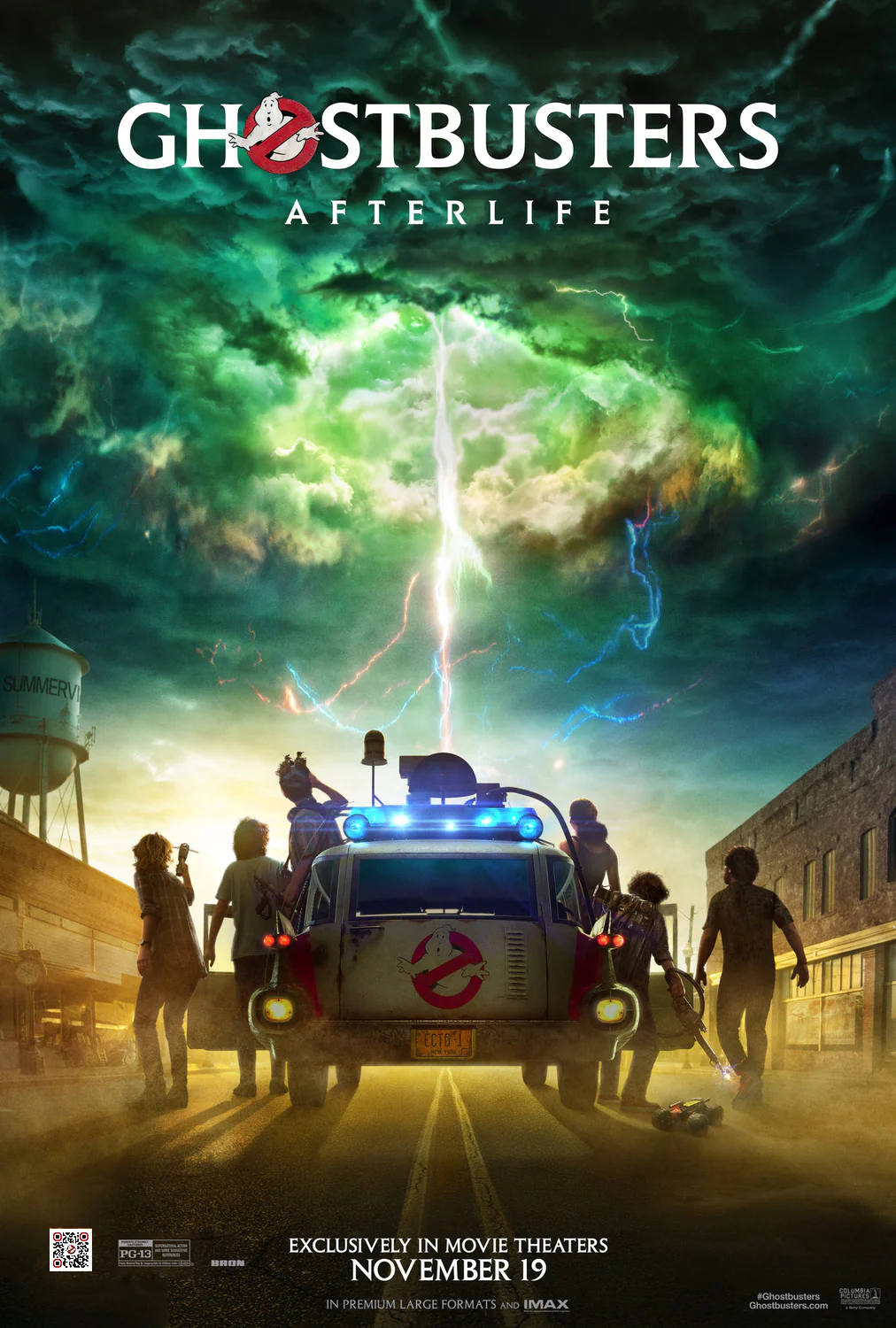
Ghostbusters: Afterlife
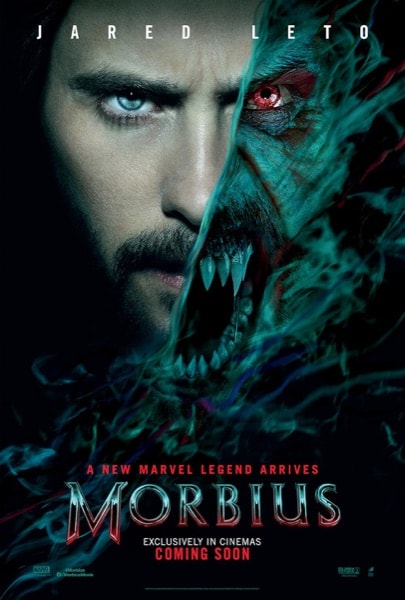
Morbius
Morbius
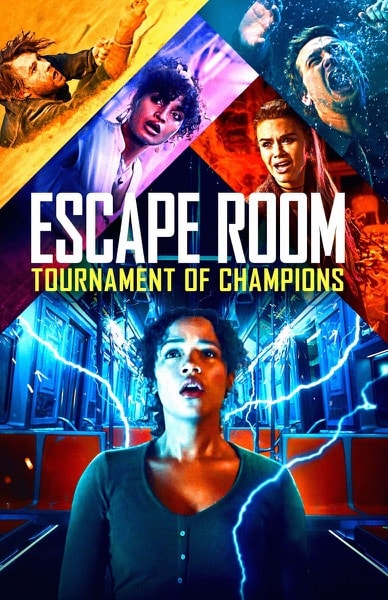
Escape Room: Tournament of Champions
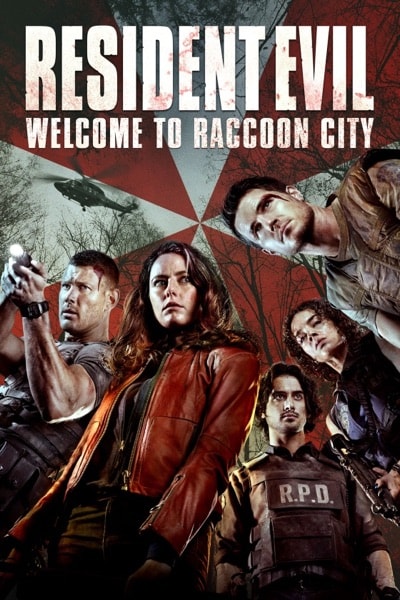
Resident Evil: Welcome to Raccoon City
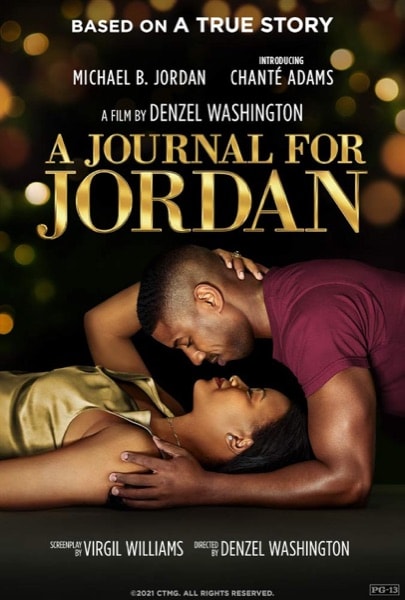
A Journal for Jordan
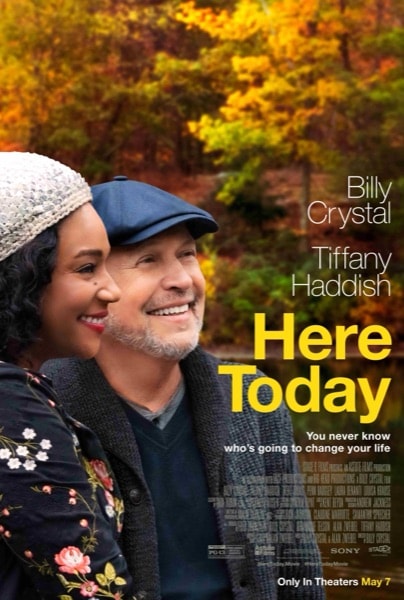
Here Today
Here Today

Campaign delivery

  • Planned and optimized 30+ concurrent programmatic campaigns across national and local media, using real-time bidding and audience insight to exceed client KPIs.

  • Standardized campaign-setup workflows across accounts, accelerating launch cadence and tightening quality control.

Team

  • Oversaw two programmatic specialists through campaign setup and launch, standardizing how campaigns were built.

Buying & operations

  • Executed cross-channel programmatic buys across DSPs, refining targeting and bidding to consistently meet performance objectives.

  • Handled day-to-day trafficking, pacing, and optimization across the live buy list.

  • Checked vendor delivery data for accuracy before it reached client reporting, and coordinated with finance on budgeting and billing.

04TikTok

Product Innovations

  • 01

    Showtimes Instant Page

    A dedicated page for movie showtimes and ticket purchases

  • 02

    Showtimes Instant Page x Fandango Integration

    Integration with Fandango so a viewer moves from a video to a ticket without leaving the flow

  • 03

    Community Interaction Objective

    Feature to drive community engagement and interaction, significantly increasing user retention and platform stickiness.

  • 04

    Community Interaction to Live

    Real-time community interaction during live events, enhancing viewer engagement and participation.

  • 05

    Focused View (6s & 15s) Objective

    Enhanced viewing experience for video content, improving content consumption metrics and user satisfaction.

  • 06

    Multi Destination Instant Page

    Instant page supporting multiple destination links, increasing conversion rates and user flexibility.

  • 07

    Story Selection

    Feature allowing users to select and engage with specific stories, enhancing content discovery.

  • 08

    Superlike

    Enhanced engagement feature that allows users to express stronger appreciation for content.

  • 09

    Custom Audiences

    Advanced targeting capability for advertisers to reach specific audience segments.

  • 10

    Reach & Frequency Buying Type

    Media buying option optimized for maximum reach and controlled frequency.

  • 11

    R&F Pixel Tracking

    Tracking solution for measuring reach and frequency performance metrics.

  • 12

    Branded Mission

    Collaborative content creation feature connecting brands with creators.

  • 13

    Hashtag Targeting

    Targeting capability based on hashtag usage and engagement patterns.

13 products
05Releases

Project Rollouts

56,195,298Luminate streams, all releases

  • Album: Distant Lover (Single) by FANDOM ft. JIHYO & Shenseea
  • Album: Something Special (Single) by FANDOM ft. Khalid & Ahn Hyo-seop
  • Album: Two Car Garage (Single) by FANDOM ft. Jon Bellion & Swae Lee
  • Album: Western Feels by Travis Garland
  • Album: Should've Seen This Coming by Blaq Tuxedo
  • Album: Genesis (Deluxe) by Nevi
  • Album: SOS by Eli Sostre
7 releases
06Owned social

Content

72.6Mviews across 85 owned posts on 3 platforms

All of it made for the FANDOM releases and the artist programs, and each one the end of a chain that runs from what gets made, through the shoot, to the cut for each platform. The six below are the highest-view works.

How the work gets made

At Musicow I own that whole chain. I decide what gets made and what form it takes, run the creative direction, then handle the logistics across every team involved: the video crew, a separate team for the social edits, and another for the behind-the-scenes content.

Move through all 85 works
07Earned media

Press

1.03BEstimated total reach

90 mentions across 62 outlets in English and Korean, none of it paid placement: the press three singles and an app launch earned, the three juries that gave the album site a hallmark, and the Forbes list. These 14 are the top tier; the press book holds every one.

Flip through all 90 mentions
10Toolkit

Skills

  • Paid Acquisition

    Six channels, programmatic, creative testing, geo and A/B tests

  • Budget Ownership

    Allocation, pacing, mid-flight kills, vendor negotiation, finance interface

  • Funnel Economics

    Unit-economics cost ladders, CAC and CPI modeling, payback analysis

  • Creator & Influencer

    UGC sound strategy, creator briefs, multi-agency programs, seeded-view economics

  • Product Marketing

    Positioning and messaging, sales enablement, alpha to GA launches

  • Product Management

    PRD authorship, metrics framework and North Star design, technical specification

  • Attribution Architecture

    Pixel and event specification, server-to-server, conversion-event modeling

  • Analytics Engineering

    Multi-source reconciliation, provenance and degrade design, data governance

  • AI Orchestration

    Spec-driven multi-session agent builds, refutation review, verification gates

  • Development

    TypeScript, React, Next.js, Three.js, Node, SQL, GitHub Actions, Vercel

  • Data Platforms

    Luminate Connect, Chartmetric, Songstats, AppsFlyer, PostHog, Linkfire

  • Creative Direction

    Album art and packaging, campaign worlds, social edits, music video production

  • Distribution & Commerce

    Territorial rights, DSP and editorial pitching, Shopify D2C, physical product

  • International Operations

    U.S. and Korea stakeholders in two languages, partner and artist-camp diplomacy

14 skills
© 2026 Terenze Coleman. All rights reserved.
Los Angeles, California · Profile